5 Reasons You Should Practice Precision Agriculture
Dear Farmer and Agricultural Stakeholders, today we will be making a deep comparison between precision agriculture and traditional agriculture and you will understand why precision agriculture is undoubtedly better. You will learn real-life and practical scenarios that will guide you on your precision agriculture journey.
You will also understand how successful farmers and farms have been able to scale for immense productivity. And you will see a correlation between precision agriculture and successful farms and farmers. So, whether you are a seasoned farmer or you are just starting, you will learn the top ways that you can scale for productivity.
Here are 5 compelling reasons as to why you should practice precision agriculture.
1. The Use of Technology
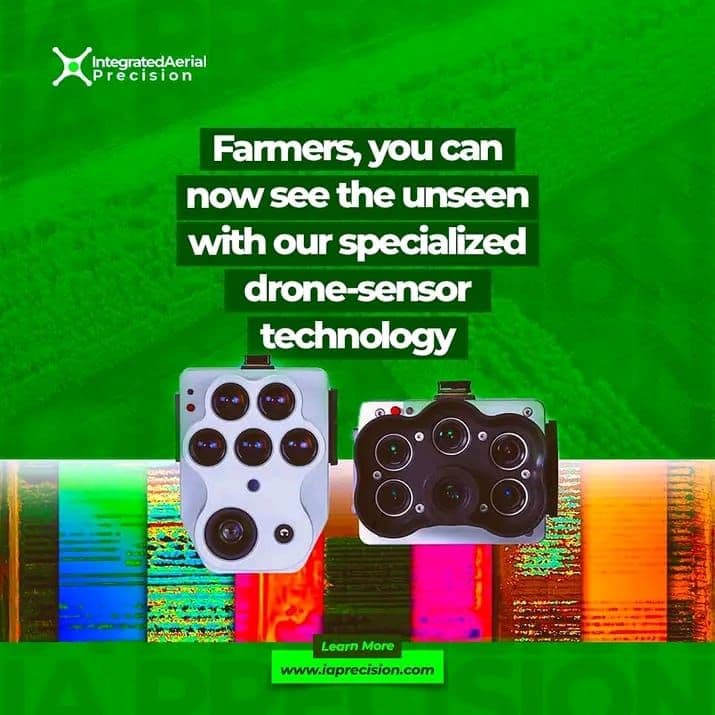
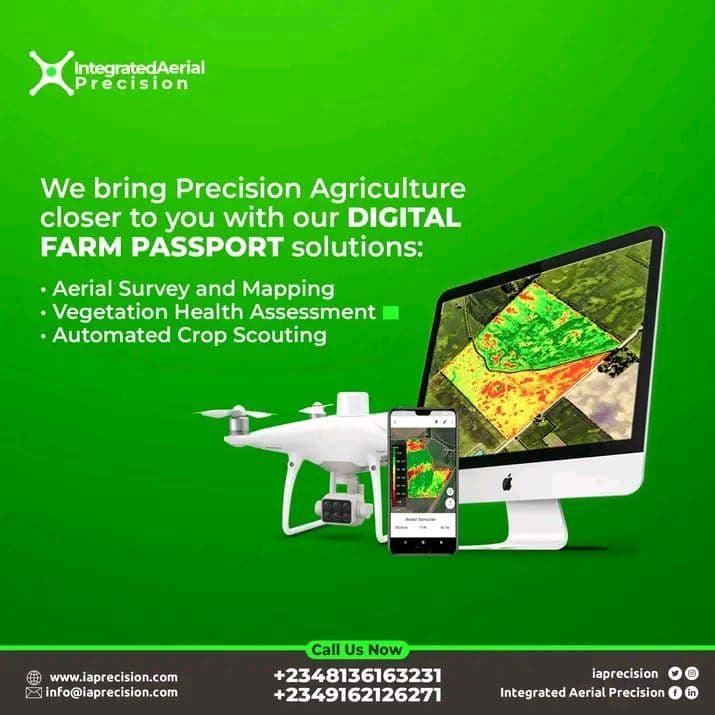
Data collection and application software are carried out through GPS, sensors, drones, and satellite imagery. These technologies are used to collect real-time data on soil conditions, crop health, and weather patterns. More so, precision agriculture employs advanced software for data analysis, which helps in making informed decisions on planting, watering, and fertilizing.
In contrast, traditional agriculture relies more on manual labor and less advanced machinery. The use of technology is minimal and less integrated. Often, basic tools and equipment without advanced data analysis capabilities are used.
2. Resource Management
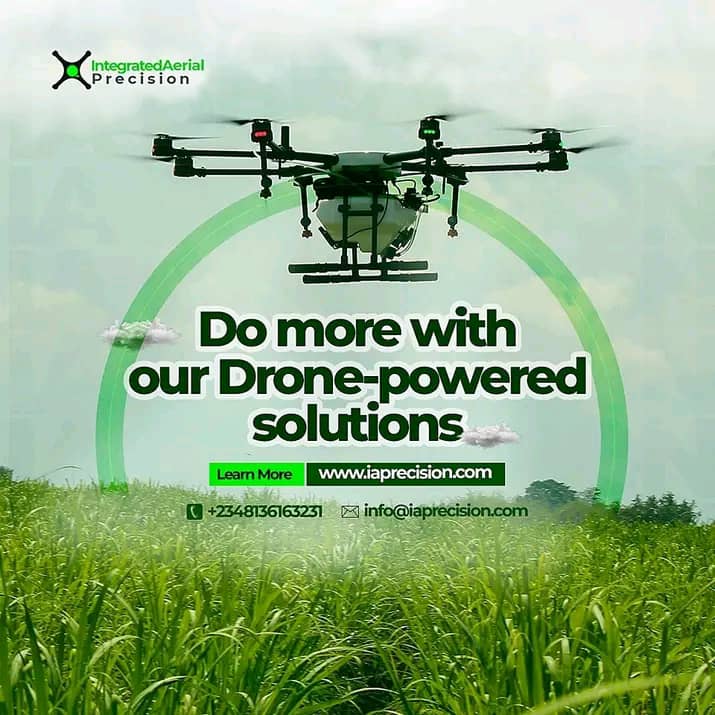
Precision agriculture helps you to optimize the use of resources. Resources like (water, fertilizers, and pesticides) are minimized and applied only where and when needed. Precision agriculture tools will enable you to monitor your crop health, soil conditions, and weather patterns in real time.
As discussed in earlier articles, you would recall that this targeted approach of precision reduces waste and lowers costs. Also, minimizes environmental and health impacts. Precision agriculture also improves crop yields and quality by ensuring that your resources are used optimally.
Moreover, by adopting these technologies, you can make data-driven decisions that enhance productivity and sustainability. And in the long run, leads to more efficient and profitable farming operations.
3. Increase in Productivity
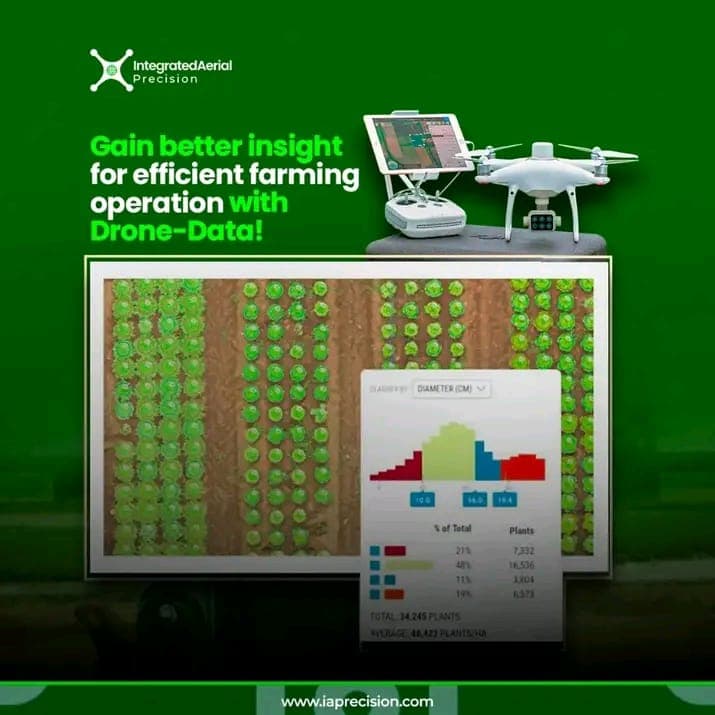
Oftentimes, precision agriculture results in higher crop yields due to better field management. More so, one of your main focuses as a farmer is to have a bountiful yield without breaking the bank. Also, with the quality of your input in mind, you want the best inputs for the best results.
However, you need to think smart and act with precision in acquiring these inputs. Don't buy fertilizers that you might not need. Over-application of fertilization will have devastating effects on the life of your crops.
This means that, while you are trying to help your crop to ensure a bountiful yield, you are harming it. At the same time, you are wasting your money, cash and resources. The same thing goes with pesticides, herbicides and all other farm inputs.
It even goes as far as your seedlings themselves, if you do not act with precision, two things are likely to occur. One is that you will get too many seedlings/seeds. Seedlings/seeds that you do not need and in the long run might become food for pests and rodents.
In the cases of trying to plant all of the seeds, you have a very high plant density. Leading to overcrowding and struggle for nutrients. Secondly, you might get seeds that are not enough for your entire field. And by so doing, you are not optimizing the potential of your field.
4. Environmental Impact
The significant improvement precision agriculture brings to the environment cannot be overemphasized. Just imagine what we discussed earlier on better resource management. The majority of pesticides and herbicides that would have gone into the environment when you use traditional agriculture are conserved.
Precision agriculture ensures less runoff and leaching of chemicals into water bodies and waterways. Also, the health of your soil is conserved and preserved. Conservation of soil health enables you to have your soil in good shape for your planting activities for a very long period.
While traditional agriculture also tries to conserve soil, however, it is not effective. Farmers after farming activities on a particular farmland have to leave that land to fallow within 3-5 years. And if you are a farmer with limited resources in terms of land, where do you take your farming activities?
5. Better Investment
Yes, precision agriculture requires significant investment in technology and training. Precision agriculture equipment such as drones, application software, and computers are expensive to acquire. Not even to talk of the training you will have to go through if you are trying to become let's say a drone pilot yourself.
However, I will advise that you employ the services of a certified and professional drone pilot. Not just any drone pilot, but an agriculture drone pilot to do your work for you. Why, is because it will not be cost-effective if you are running a smallholder farm. And you want to spend so much money on acquiring all of this equipment.
Nonetheless, traditional agriculture might pose a higher return in the short run. Precision agriculture agriculture is so much better in the long run. And if you would ask me, having profits in the long run pays a lot.
Conclusion
While traditional agriculture seems to be less costly, precision agriculture has a higher return on investment. Also, precision agriculture leverages technology to optimize farming practices, resulting in more efficient use of resources. Contact us today at www.iaprecision.com call 08085070112 or send email to info@iaprecision.com for drone spraying and all other precision services.
FAQs
What is the Strategy of Precision Farming?
Precision farming is also known as site-specific crop management. It merges data collection and remote sensing with Global Positioning Systems (GPS) and Geographic Information Systems (GIS) to allow farmers to respond to in-field variability with their crop management.
What is a Disadvantage to Precision Agriculture?
The primary drawback of this type of technology is cost. Since precision agriculture uses tools that farmers don't commonly use, they're usually more expensive than simple equipment like tractors or threshers. Further, the technology is ideal in large-scale rather than small-scale agriculture
What are the Benefits of Precision Planting?
Absence of a reduction in seeding rates. The advantages of precision planting are better emergence, uniform crop establishment and staging, and higher yields in certain environments.