Challenges of Precision Agriculture Adoption
Do you find precision agriculture complex and expensive to use? If you do, you have found a solution by being here. It is quite extraordinary that despite the incredible benefits precision agriculture brings to farming operations, it is still underused. Today, we will take a deep dive into the reasons why you are finding it difficult to use.
Most importantly, you will get an everlasting solution to all of your precision agriculture concerns and usage.
5 Challenges of Precision Agriculture
This article will talk about reasons for the low adoption rate of precision agriculture and how you can potentially move past it. Below are 5 Main Challenges that are Affecting the Adoption of Precision Agriculture
1. High Cost
The initial investment for precision agriculture equipment can be daunting. You must not only purchase expensive hardware but also invest in software and training to integrate these systems into your operations. This financial barrier can be very challenging especially if you are a smallholder (small-scale) farmer who may lack the capital to invest.
While precision agriculture technologies can lead to long-term savings and increased yields, the initial return on investment can be unclear.
However, with enough patience, the benefits of precision agriculture such as reduced input costs and higher crop yields, often materialize. Moreover, the costs of maintaining and upgrading precision farming technologies can also be difficult.
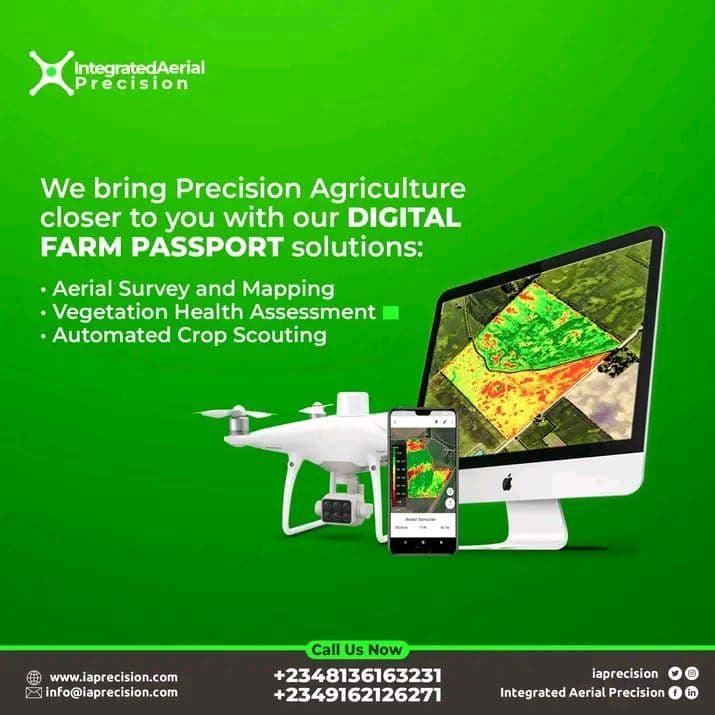
As technology evolves rapidly, keeping up with the latest advancements requires additional investment, which can strain your budget. Integrated aerial precision can take care of your precision agriculture needs for you at no extra cost. You can get services ranging from GPS and mapping systems, sensors, remote sensing technologies, satellite imagery, variable rate application equipment, and drone spraying services.
All at very minimal and affordable charges.
2. Training and Implementation:
The transition to precision agriculture may come with having to train yourself or workers. And a lot of investment in its implementation. Implementing precision agriculture requires a certain level of technical skill and knowledge.
Training staff and adjusting to new operational workflows add to the cost, which can discourage you. Also, the fact that you must be willing to experiment and learn from your mistakes. Which can be daunting especially if you are accustomed to conventional methods.
Moreover, there is some infrastructure needed to support precision agriculture that might not be available to you. Infrastructure such as reliable internet connectivity, might not always be available, particularly when you are in a rural area.
To overcome these challenges of having to train and implement all of these technologies.
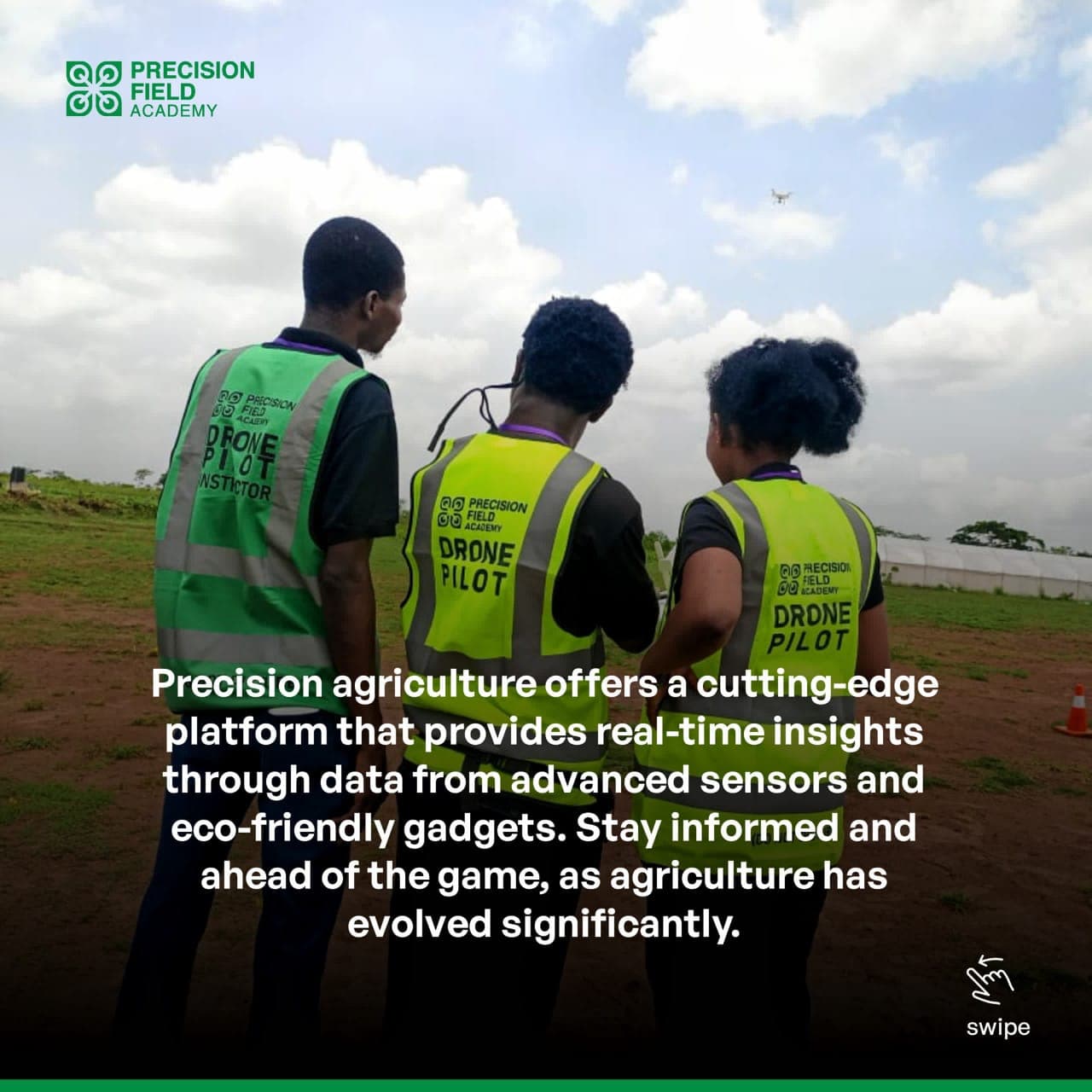
Integrated Aerial Precision in partnership with Precision Field Academy is here to take that headache away from you through professional based precision agriculture training.
3. Complexity
The complexity of precision agriculture systems makes them difficult to use. As stated in the second point, implementing and maintaining advanced technologies requires a level of technical expertise. The expertise that you may not possess.
More so, the complexity demands a certain level of technical proficiency that you may lack. Also, the complexity of precision agriculture is compounded by issues such as data management. Managing and interpreting this data can be overwhelming even for some professionals.
And it is not something that you might want to do. And very importantly, the complexity of precision agriculture lies in its unavailability in rural areas.
4. Myths
In many African countries, many farmers prefer traditional farming methods to precision farming techniques. Why? The most notable answer will be misconceptions and myths that have travelled amongst farmers. And you might have come in contact with a few you will be reading here.
It is often believed that precision farming technology such as drone spraying and mapping is only suitable for large-scale farms. However, precision agriculture can benefit your farm irrespective of the size. This is possible by optimizing inputs and improving crop management, leading to better decision-making and efficiency.
More so, there are misconceptions that precision agriculture offers minimal benefits over traditional farming methods. Precision agriculture enables more precise application. Precise application of inputs like water, fertilizers, and pesticides, can lead to significant improvements in both yield and quality.
Lastly, there are myths amongst rural farmers that precision agriculture does not work. And that it does not serve the purpose it claims to serve. I am happy to tell you that it is a very fat lie! Over the years, precision agriculture has proven to improve yield by over 100 per cent.
5. The Lack of Standardization of Precision Agriculture Systems
Precision agriculture needs standardization. It is impossible to have drones for operation and not have the technology to interpret the data that comes from them. The inability of farmers to have a standard set of precision agriculture equipment and technology makes it very difficult.
Moreover, this not only limits their choice but also hinders the potential for a comprehensive analysis. An analysis that could only be achieved through a standard system. More so, the absence of standardization leads to a steep learning curve for new adopters.
Each system comes with its own set of protocols, interfaces, and data formats. And as with every field, there is always advancement in technology. This advancement will require significant time and effort to master.
Conclusion
Adopting a new technology on your farm can be very difficult. Especially if you do not have the technical know-how or the expertise to execute it effectively. More so, it is not without a doubt that precision farming is incredibly expensive to carry out on your own. And it is even more expensive if you are a smallholder farmer.
However, unlock the potential of every acre of your farm with our precision agriculture solutions. Harness data-driven insights and cutting-edge technology to boost yields, optimize resources, and foster sustainability. Elevate your farm's productivity and profitability. We are only a call away: 08085070112
FAQs
What are the Challenges in Adopting Precision Farming in Nigeria?
Adopting precision agriculture technologies comes with several challenges e.g. high cost and complexity. The advanced technology required for precision farming, like GPS, drones, and data analysis software, can be expensive and complex.
What is a Disadvantage to Precision Agriculture?
High initial costs. Putting precision agricultural equipment and technologies into use can be costly. Farmers would need to spend a lot of money upfront on specialized equipment, sensors, and software.
How do I Start Precision Agriculture?

A quick way to begin precision agriculture is with us. Contact us today via 08085070112. You can also visit our website www.iaprecision.com to explore more about our variety of Drones in Agriculture services and their advantages for your agribusiness.