How to Use Precision Agriculture to Increase Farm Yield
Precision farming combines the use of sensors, robots, GPS, mapping tools and data-analytics software. These tools are used to maximize the care that your plants receive without increasing labor. And as an outcome, precision agriculture will maximize and optimize your farm management, and also produce healthy crops.
Which in itself will benefit your overall productivity and yield. Moreover, the world is facing unprecedented challenges when it comes to food sustainability and climate change. It is crucial that you have a system that maximizes yield and at the same time, keeps the environment safe.
Without further ado, let's get into key things that you can do that will multiply your yield in a short period and in a sustainable way.
10 Ways to Use Precision Agriculture to Increase Farm Yield
Here are 10 Ways to use Precision Agriculture to your full advantage
1. Soil Mapping for Nutrient Management
For any crop farming operation to be successful, the data obtained from soil mapping is indispensable. You can determine which nutrients are present in a field and how their levels vary by using soil mapping. Your ability to plan and carry out fertilizer application is enhanced by your knowledge.
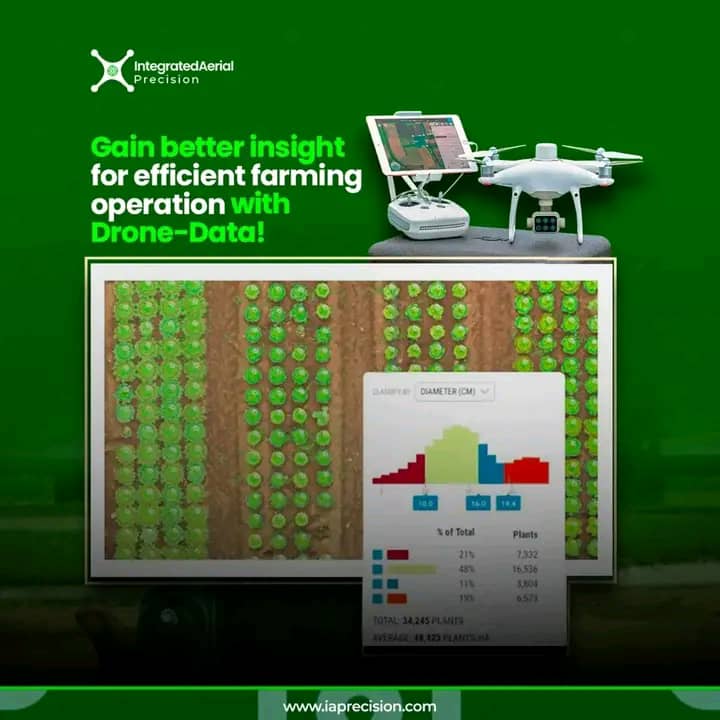
Also, it assists you in determining the precise amount of fertilizer required in a given area. This revolutionary method prevents guesswork, lowers input costs, and guards against over- or under-fertilization.

2. Crop Growth Monitoring
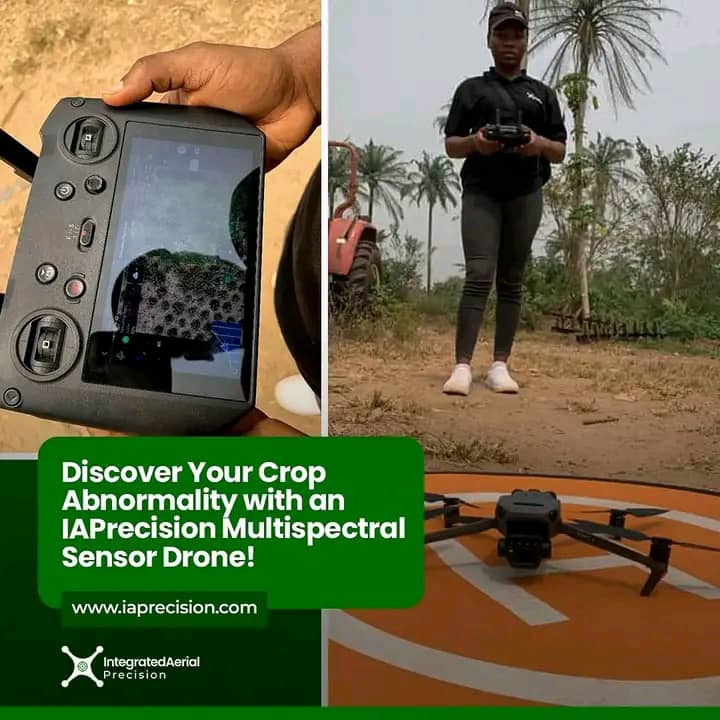
With sensors mounted on robots, you can efficiently keep an eye on the development of your crops. Also, drones with cameras transmit data and pictures of specific plants electronically. With the use of this state-of-the-art technology, you will be able to learn about your plant's general health.
As well as its stem size, leaf shape, and color. Obtaining all of this information can help you plan and allow you to identify lapses in time. It will also be possible to detect early illness, insect infestation, and any abnormal growth patterns. Additionally, this technology can assist you in scheduling the planting and harvesting of crops.
3. Accurate Weather Prediction
It's no secret that the weather and climate have a big impact on your yield levels. The weather needs to be consistent and ideal for a bountiful harvest! However, the weather has a significant impact on crop yield levels, yet it is unpredictable.
How then do you guarantee consistent weather patterns once your crops are planted? Weather prediction technology comes into play here. It happens occasionally that the same kind of seeds and soil quality are sown in different locations. There will be an improvement in one field over the other.
The two fields' differing development and productivity can be largely ascribed to the various weather patterns. Consequently, favorable conditions have a major role in the good development and yield of crops. As a result, it is safe to say that protecting your investments by taking into weather prediction technology is a brilliant idea
4. Through Data Analytics
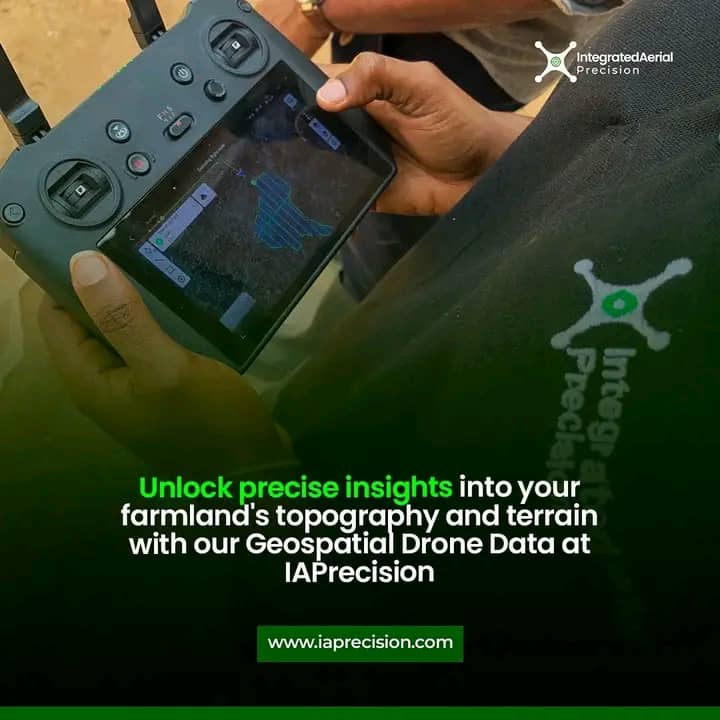
Precision farming is centered on data gathering. The collection of data, its subsequent analysis, and the information obtained to enable well-informed decision-making are the first steps in the entire process. As mentioned at the beginning of this blog post, tools include satellites, GPS, drones, and sensors.
In this instance, data on crop health, weather patterns, soil conditions, and more are gathered and processed using these instruments. Also, machine learning algorithms are used in advanced data analysis to process the gathered data and produce information. Making educated decisions regarding planting, irrigation, fertilization, pest management, and harvesting will be made easier with the use of these insights.
With data-driven insights at your disposal, you will be able to act quickly and precisely. This makes it possible for you to use resources efficiently and do away with the need for guesswork.
5. Through Climate Smart Farming
Sustainable agricultural practices not only benefit the environment but also increase productivity. By making effective use of your inputs, precision agriculture helps your agricultural operation adapt to climate change.
The ecosystem, weather, animals, and soil are all less stressed thanks to precision agriculture. so providing you with the land and a favorable atmosphere to conduct your farming operations and ensure a plentiful output.
6. Encouraging the use of More Organic Matter
Sequential to climate-smart farming, the use of organic matter also reduces pressure on the environment. This eliminates the use of chemicals that might cause pollution or harm the ecosystem. Moreover, to improve yield sustainably, the use of organic matter/fertilizers in precise amounts is crucial.
Organic matter can be obtained by recycling wastes, compost, and crop residues. This matter can be used in your field to greatly improve its chemical, physical and biological health.
7. Choose a Suitable location
Being aware of the nutrient makeup of a particular field is crucial to performing any farming activity. With the knowledge of a location, you can determine if the area is fertile enough for farming. Or in a case, too fertile or contains some nutrients and composition that you do not need.
And precision agriculture has made this possible through the use of drone mapping, analytics and drones. Also, taking into account the climatic and weather conditions of a particular place is invaluable to securing a location.
8. Drone Spraying
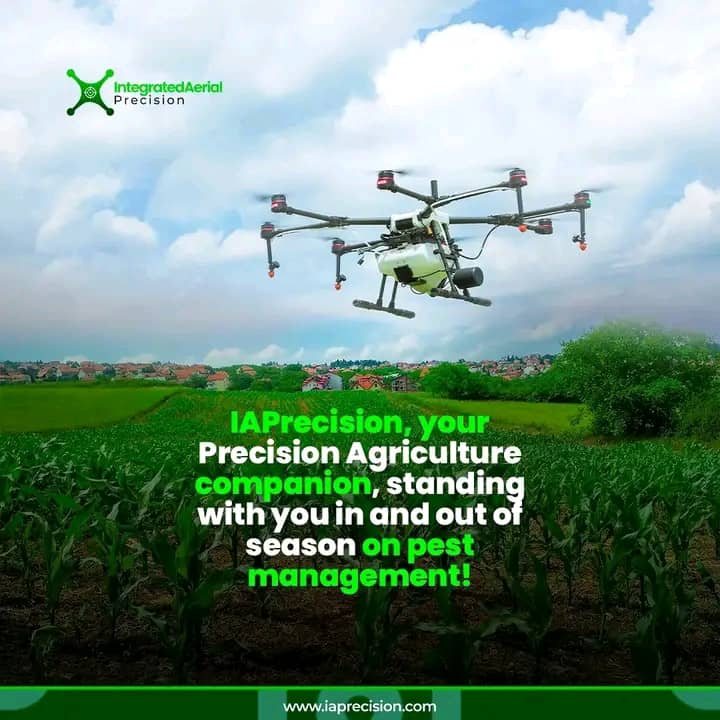
Drone spraying uses 90% less water and 23% less agrochemicals than traditional spraying techniques. Most intriguing, granular and liquid items can be sprayed using drones. A sprayer drone's components include a pump, pressure indicator, hoses, nozzles, filters, and flow meters that allow for on-the-fly rate adjustments.
Drones are also products of precision agriculture's automated technologies. When the field is too wet after rain, you can use drones to spray a crop. They can also be used to treat small, irregularly shaped fields.
9. Embracing Mechanization
When precision meets mechanization, bountiful yield is ensured. Reducing expenses and environmental stress can be achieved by precision agriculture, which utilizes mechanization.
Farm operators are assisted in integrating numerous mechanized operations per pass of machinery in the field by the Improving Performance of Mechanical Operations Programmed. You can efficiently oversee and guarantee high production by using machinery for weeding, fertilizer application, harvesting, and seeding.
10. Optimization
Ultimately, optimization is the culmination of the previous nine phases listed above. It requires that each of these actions be properly considered and carried out. Due to inaccurate information, a data analytics flaw could be extremely harmful. For example, a malfunctioning drone could indicate that your crops are not receiving enough water or nutrients.
Furthermore, more logical investment strategies are made possible by improved yield estimates achieved through optimization.
Conclusion
You might be wondering, how can such a sophisticated system be accessible and affordable. IA Precision offers you swift drone mapping and drone spraying services that will ensure immense productivity.
Overall, precision agriculture is a modern approach to farming that uses various technologies to help you. Helping you to optimize crop production and resource efficiency. By collecting and analyzing data on soil, weather, crop health, and other factors.
Lastly, precision agriculture has the potential to increase farm yield, quality, profitability, and sustainability, and contribute to global food security and environmental conservation.
FAQs
How do you use Precision Agriculture?
Precision agriculture makes use of technical equipment and crop management software. Plot measurement, crop analysis, soil testing, weather patterns, and crops are all studied in depth using devices with sensors.
How do Farmers Maximize Yield?
Implement a comprehensive crop management plan. A carefully considered crop management plan can help you increase yields and enhance farming operations. It should include information on the crops you plan to grow when you plan to fertilize and irrigate, the soil and weather conditions, and other relevant factors.
What Technology is Used to Increase Crop Yield?
"Data-driven farming" is the practice of using data analytics to improve farming decisions and outcomes, such as crop yields, profits, and environmental sustainability. A range of hardware tools, including sensors, satellites, and drones, are available for farmers to use to gather and assess crop, weather, and soil data.