Precision Agriculture (Everything You Need to Know)
Precision agriculture is an agricultural system put in place that accurately tells you precisely what to do to maximize your farm yield. It includes everything around Digital technologies such as Drone technology for crop mapping, monitoring and spraying, Remote sensing for predictive analysis, Internet of Things (IOTs). Most importantly, agricultural innovation and technology also have a very big role to play.
Moreover, in this blog post, you will learn what precision agriculture is all about, its importance, and why you need it. So let's dive right in!
What is Precision Agriculture
Consider precision agriculture as a tool that can help you guarantee exactness and accuracy in all of your farming endeavors. Precision farming and agriculture have the neat feature of eliminating guesswork. As a result, you have information on your land, your vegetation, and any possible pests that may be present.
With all of this information at your disposal, you'll be able to address issues head-on and take preventative measures. Precision agriculture is essentially a cutting-edge technique that helps you in conserving agro resources such as Water, fertilizer, herbicides, and seedlings are among the optimized inputs it offers to help you increase yield, quality, and productivity.
How Precision Agriculture Works
Maximizing productivity is the main goal of applying precision agriculture to farming methods. Precision agriculture is centered on GPS innovation, GIS data, technology, and information. Variable-rate technology (VRT), yield monitoring, grid sampling, and many more tools.
Nonetheless, below; you will discover five essential elements that define precision agriculture.
1) GIS and GPS
Geographic Information Systems, or GIS, are different from Global Positioning Systems, or GPS. These two elements let you acquaint your equipment and gather data in real time. You can precisely monitor your field and make it well-informed to enhance your practices.
Among other land-related decisions, choices about the kind of irrigation system and plant seed variety are made with due consideration. Additionally, GPS and prescription maps from GIS will assist you in guiding tractors and other agricultural equipment across farm fields in uniform, straight lines. They will enable you to precisely and accurately till, plant seed, fertilize, and also coordinate your harvest process.
2) Data Collection and Analytics
Data from past farming activities, through remote sensing and geographic information systems are all collected. All of this data combined with the Internet of Things (IOTs) provides analytics that you can leverage to farm more efficiently. These analytics are what provide you with precise information and deeper insights that will guide your smart farming management.
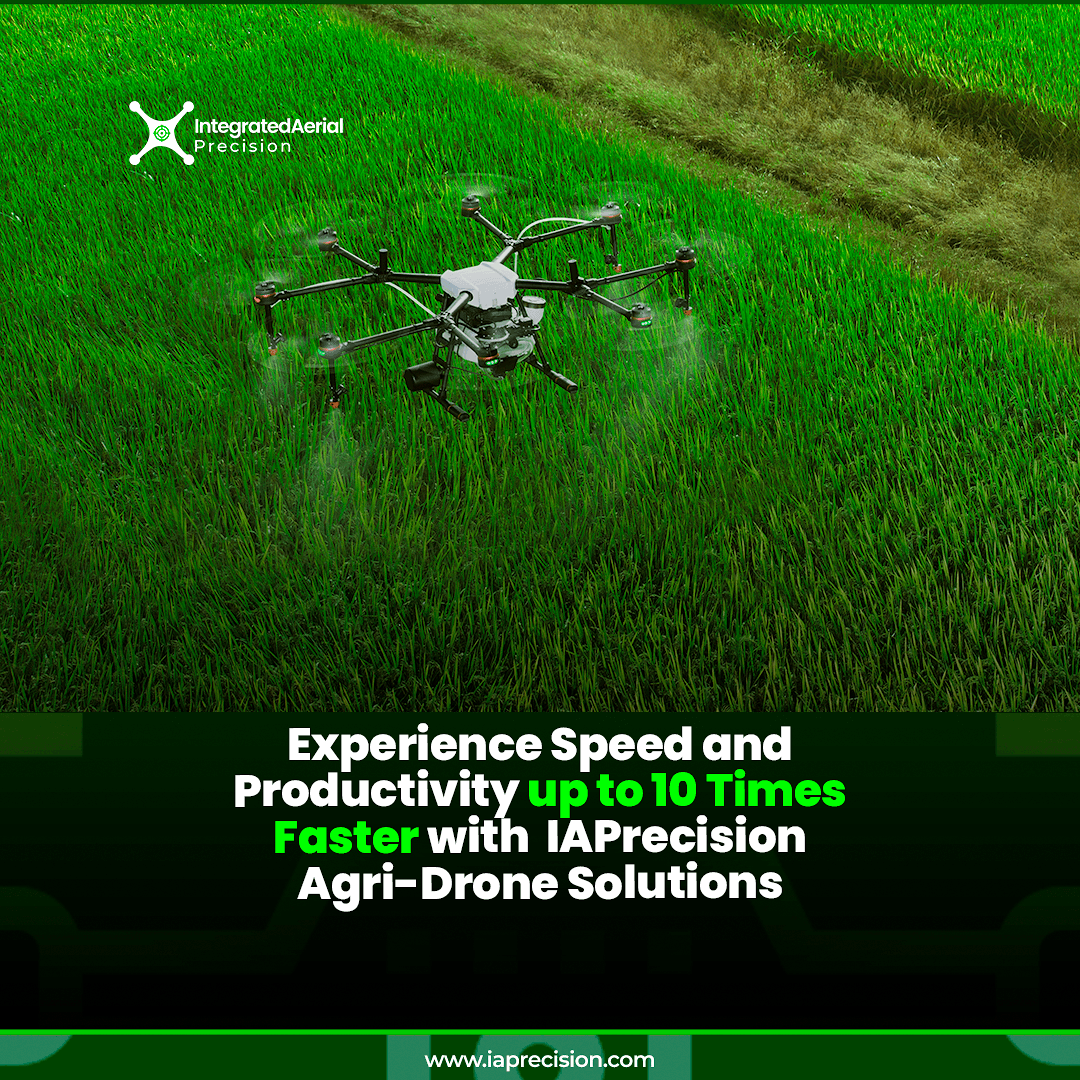
So, whether you want to employ the use of drones, or unmanned aerial vehicles (UAVs), the end goal is analytics. Also, as technology and innovation have advanced, there has been a series of application software that has been created. These software have brought more effective, technically advanced solutions toward improving farmers’ productivity.
3) Remote Sensing
Remote sensing is simply the use of satellite imagery. Or the images collected by Satellites, Drones or Manned Aircraft to identify areas of crop growth and stress and then geo-locating those specific points in a field using GPS. Also, remote sensing can be used as a pre-planting mechanism.
Figuring out if a piece of land has the right features and compositions for the crop you want to plant. Also, it helps you to know where to apply seeds, fertilizer, and other inputs at different rates across a field.
4) Productivity Monitoring
Productivity monitoring is based on a concept called yield maps. Yield maps are dependent on other precision agriculture technologies such as Drones, GIS, and VRT for monitoring outcomes. Yield maps other data during the harvest period by collecting the amount of productivity at precise points.
Monitoring productivity enables you to make pre-planned decisions for your farming operations.
5) Artificial Intelligence (AI)
The use of machine learning to identify and respond to real-time input in farming practices. AI technologies developed in farm robotic applications, such as robotic harvesters or robotic welding machines.
Importance of Precision Agriculture
As stated earlier in the blog post, the level of accuracy in making management decisions and justification is what makes precision agriculture so powerful.
1) It Provides Sustainability
The relationship between precision agriculture and the climate is positive. The provision of a sustainable Green energy-driven agricultural ecosystem is a big part of precision agriculture. Through fossil fuel reliance and other environment-damaging acts, traditional agriculture has been a drawback.
It has been a drawback because of the eradication of healthy soils and forests, to plant to attain high productivity. However, with more understanding, and knowledge of backed-up data, sustainable agriculture is greatly improved.
The improved access to detailed records and data can provide agribusinesses and agronomists with accountability for what works and what doesn’t on a new level, all of which is added to a constantly growing resource base from which smart and informed decisions can be made.
2) Making Better Farm Management Decisions
One extremely effective farming method is precision farming. Furthermore, it is essential to embrace it, as it is projected that by 2050, there will be 10 billion people on Earth. In addition, the practice of precision agriculture necessitates gathering information from several sources, which when combined yields useful data.
You possess knowledge about pests and diseases, crop growth rate, soil samples, irrigation, weather patterns, and more. A field would generally be treated with the same inputs—fertilizer, irrigation, herbicides, and pesticides—by farmers. Hence, differences in the type of land, the composition of the soil, and the needs of the land parcel at that particular time are not taken into consideration.
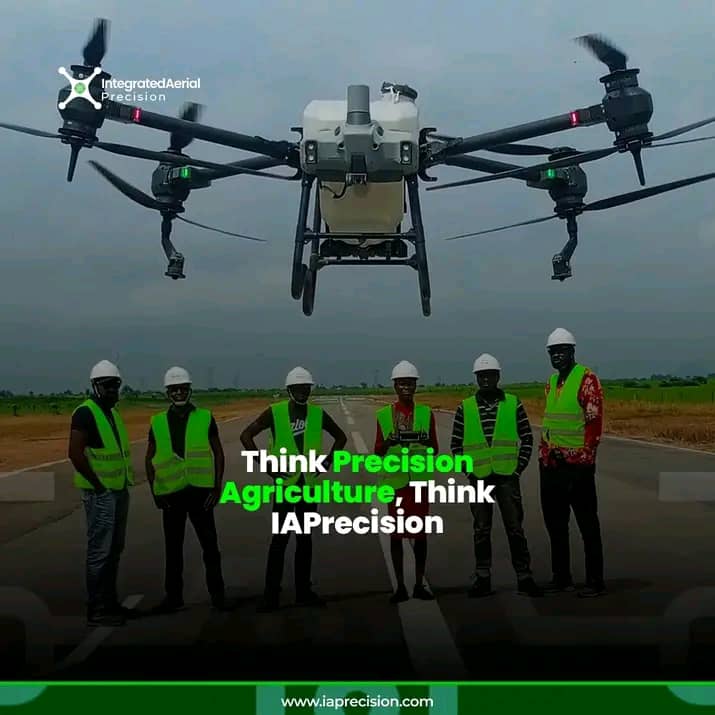
However, through drones and drone spraying, you can administer your inputs only as needed. Thereby, minimizing the cost of materials and resources, like water, seeds, and fertilizers.
3) Crop and Livestock Protection
Through the innovations on the Internet of Things (IOTs) and software applications automation and control of your farm is possible. Also, pest and disease identification is feasible for effective control. Moreover, weather, and changes in climatic conditions can be monitored to know the precise dates and times for farming operations.
A big advantage that precision agriculture presents to you is that you are always ahead thus giving you the room for contingency planning.
4) Efficient Irrigation Management
One of the most important aspects of modern agriculture is an effective irrigation system. It has existed since the earliest times of agriculture. But over time, more advanced irrigation systems have been created to better serve you. It's noteworthy to note that most irrigation systems are not very efficient despite their high level of technology.
Approximately 70% of the freshwater available on Earth is currently estimated to be consumed by agriculture, with large amounts of it being squandered by ineffective irrigation systems.
5) Minimizing the Cost of Materials
Traditional farmers, even commercial farmers do not have the high level of detail and information that precision agriculturists are open to. Most times, you practice your farming operations based on what and how you feel without a definite pattern. A lack of farming patterns means you are being exposed to a big risk and waste of resources.
You don't have to go through this enormous stress and the possibility of wasting your hard-earned money or loan. Precision agriculture offers you data to be concise with your farming operation. Quantitative data about everything under the sun is collected, stored, analyzed, and used to keep a close eye on the hard-earned of a farm, no matter the size or location.
Conclusion
In general, through the use of technology and data analytics precision agriculture is a farming method that optimizes crop yields. It minimizes waste and minimizes environmental impact primarily by offering more parameters for agricultural monitoring. and the enhanced capacity for effective and well-informed decision-making.
The development of easily available agricultural records and improved crop and investment protection. Mapping land surface types and variations is another important aspect of precision agriculture. UAV-based remote environmental sensing and agricultural ecosystem monitoring.
FAQs
Is Precision Agriculture only for Rich and Big Farms?
Big no! You too can practice precision agriculture even as a smallholder. Ensure to contact us today! for your booking on 08136163231 or send email to info@iaprecision.com or visit www.iaprecision.com
What information is provided by precision agriculture?
Precision agriculture provides an improved understanding of the spatial demands of a particular agricultural area, which can be coupled with highly accurate decision support tools and early warning systems. The application of these tools prevents wasteful actions and provides information for timely management.