Top 10 Benefits of Using Drones in Modern Agriculture
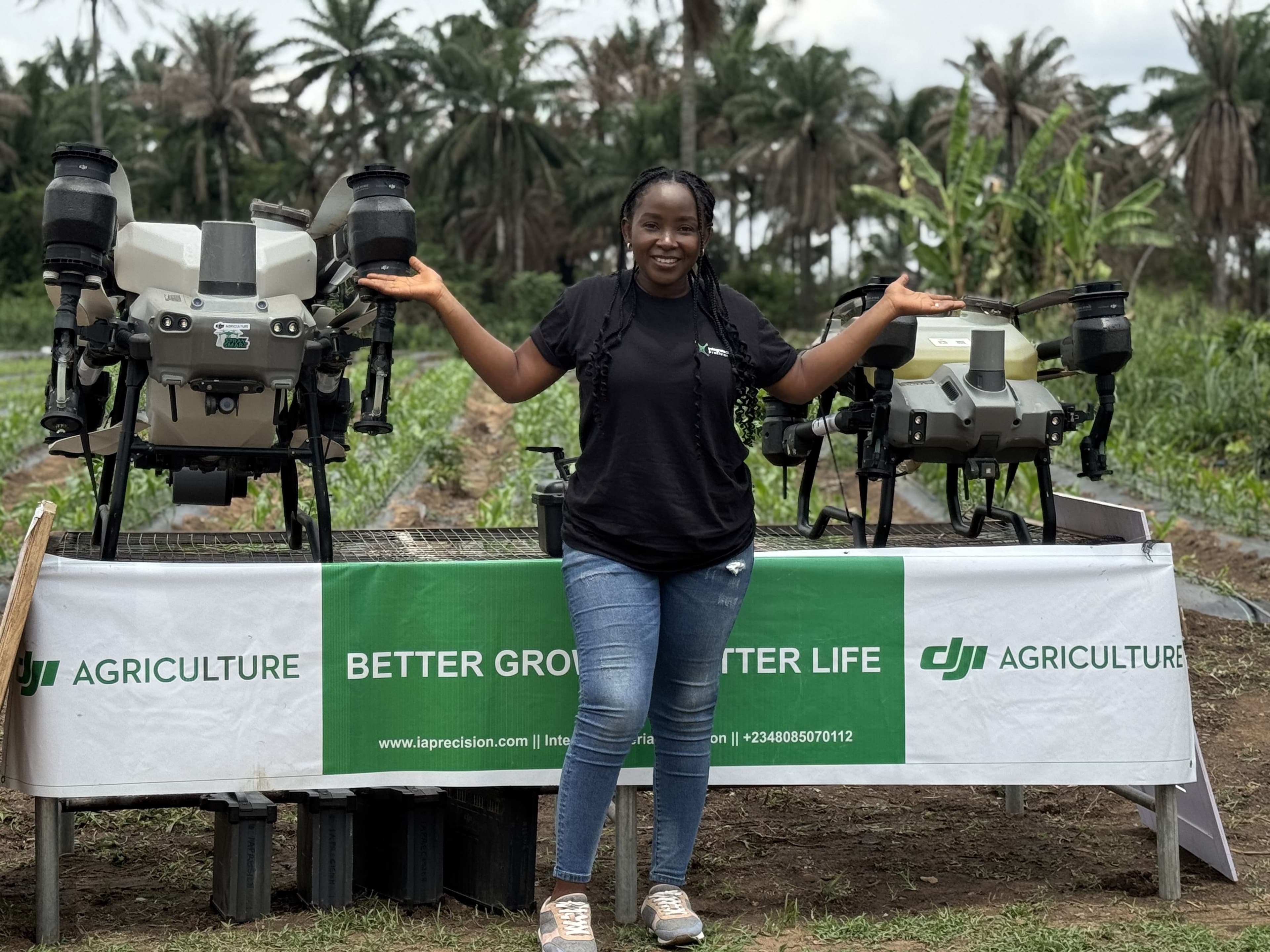
In this article, we explored the top 10 benefits of drones in modern agriculture. In today’s world, where technology is revolutionising every industry, the agriculture sector is also experiencing a transformative shift through the introduction of sophisticated tools such as drones. These “flying marvels” are transforming farming by reducing drudgery, enhancing productivity, and promoting food production. In modern farming, the use of drones is becoming indispensable from crop monitoring to spraying of pesticides etc.,
Benefits of Drones in Modern Agriculture
As the sizes of farms continue to grow in sizes and human labour continues to reduce, with the complexity, drudgery is gone, and farming has now become interesting to all. This advancement and complexity made traditional methods fall short in efficiency and precision. The strategic use of drones has amplified technologies like AI in agriculture and precision farming technologies. AI in agriculture
Whether it is drone crop scouting, agriculture drone spraying, agricultural data analytics or geospatial analysis, these innovations are driving the agricultural industry into a more efficient, data-driven future.
Whether it is drone crop scouting, agriculture drone spraying, agricultural data analytics or geospatial analysis, these innovations are driving the agricultural industry into a more efficient, data-driven future.
Hence, let’s explore the top 10 benefits of using drones in modern agriculture.
1. Enhanced Crop Monitoring and Surveillance
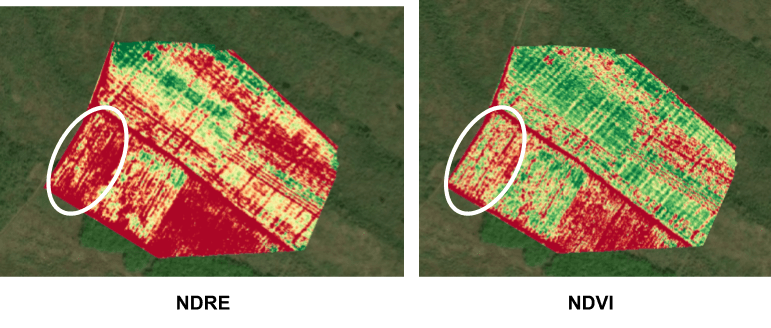
The use of crop monitoring drones can help farmers to easily detect issues like pest infestations, diseases, and irrigation problems long before the issue escalates. Drones equipped with multispectral cameras and drone thermal imaging for crops provide high-resolution imagery for crop health analysis across the field. This improved remote sensing in agriculture allows timely decision-making, reduces waste and improves quality yield. Moreover, with drone crop scouting, farm managers can pinpoint stress areas with greater accuracy than manual scouting.
2. Precision in Fertiliser and Pesticide Application
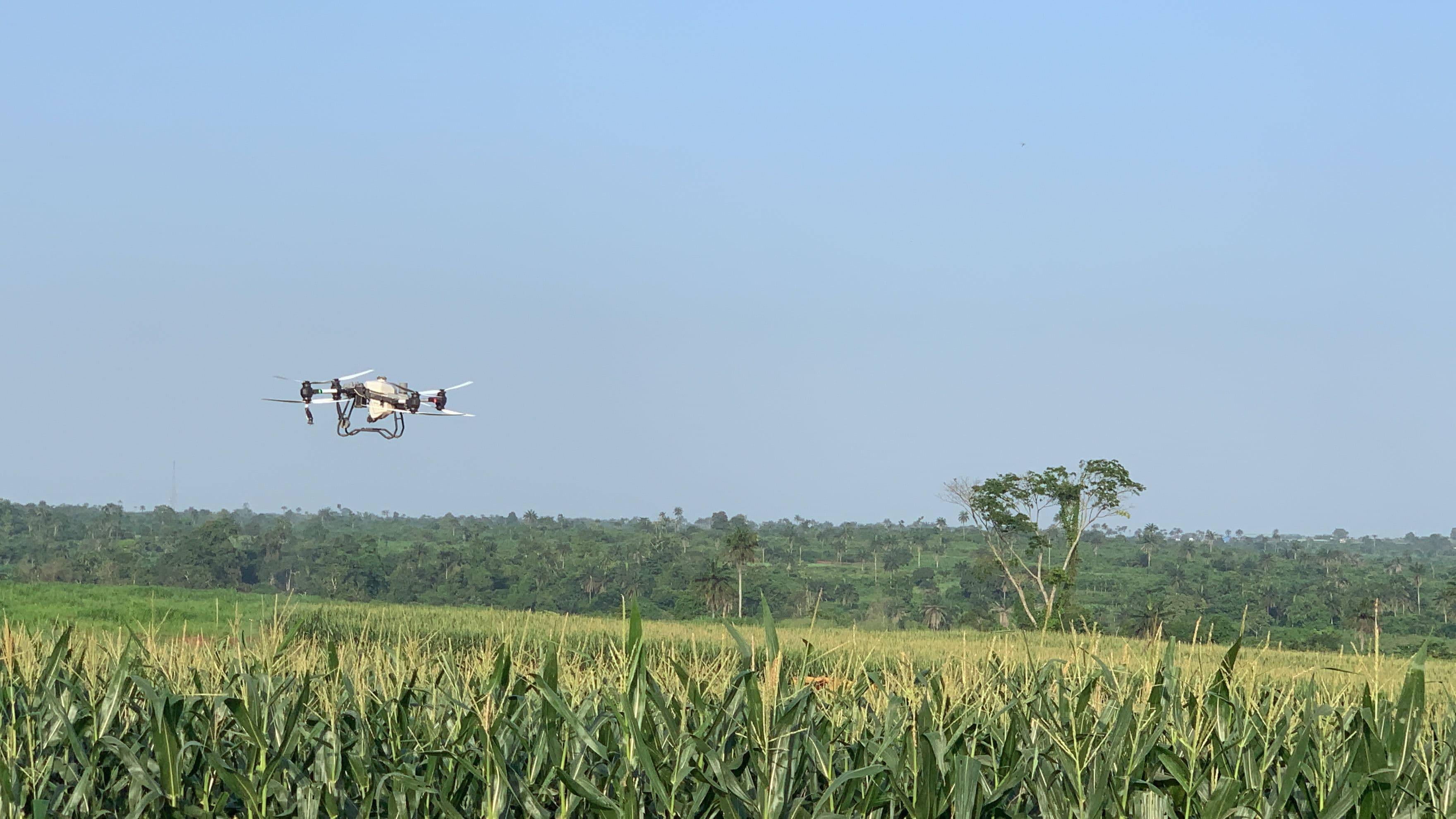
Employing drone crop spraying features that guarantee exact pesticide and fertiliser distribution, drones are revolutionising crop protection. Targeting particular areas, agricultural drone sprayers help to minimise chemical waste and environmental impact. By quickly covering vast areas, agricultural spraying drones also save labour and time. Precision fertiliser application guarantees exactly what crops need, so enhancing nutrient absorption and lowering run-off.
3. Enhanced Analysed Data Collection
Precision farming's necessary actionable data is gathered mostly by drones. Farmers can evaluate crop performance, track changes over time, and monitor development stages utilising high-resolution aerial photography combined with agricultural data analytics and yield mapping technologies. Such a type of data-driven approach leads to better planning and efficient resource management.
4. Cost and Time Efficiency
The agriculture drone technologies are saving farmers time and money, the two critical resources in any business. Traditional farming methods require significant manual labour and long working hours. Drones dramatically reduce this burden by automating tasks such as drone agriculture spraying, crop scouting, and field mapping.
5. Better Decision-Making with Smart Technologies
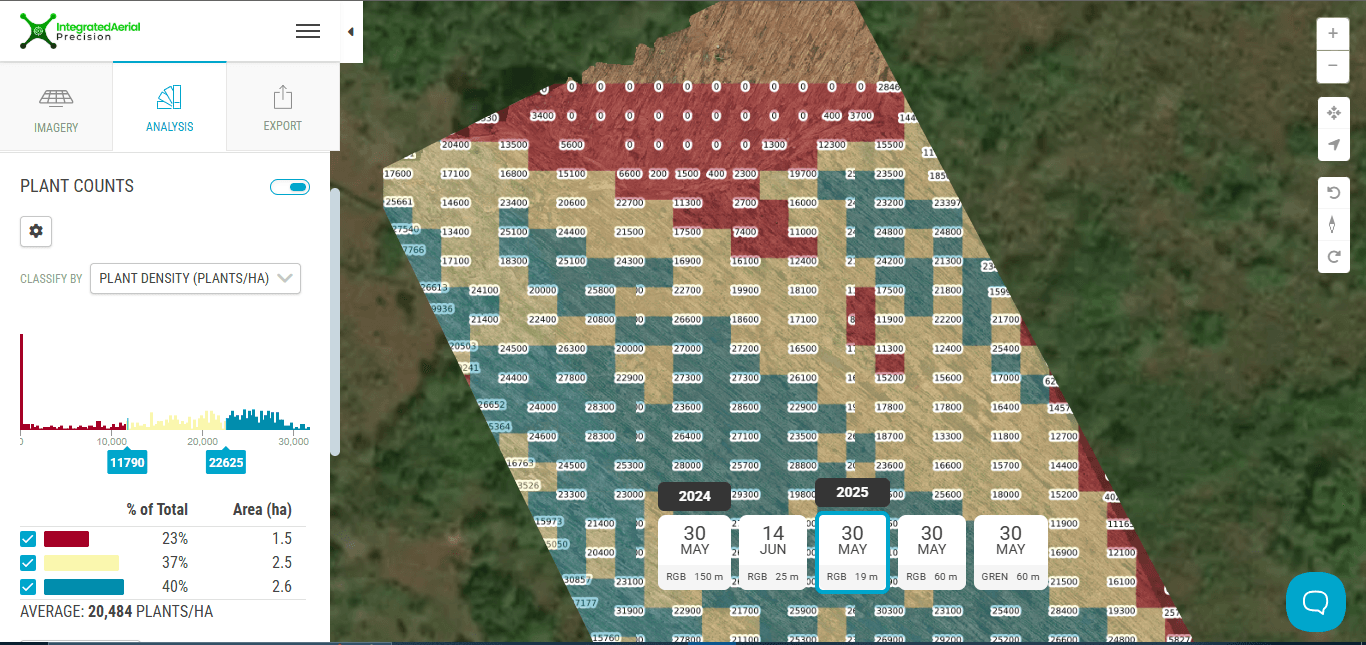
Drones are integral to the ecosystem of precision farming technologies. A combination of AI in agriculture, smart sensors for farming, and farm management software makes drones powerful tools for decision-making. These technologies can help forecast yields, optimise resource allocation, and plan harvest times. By feeding agricultural data into cloud-based platforms, farmers can access real-time insights from anywhere with the help of drone technology.
6. Effective Irrigation and Water Management
Efficient water use is a critical concern for farmers, especially in drought-prone regions. Automated irrigation systems integrated with drone-collected data help manage water distribution based on real-time crop needs. Weather monitoring for agriculture, enabled by drone-based sensors, ensures timely irrigation adjustments. Precision seeding technology also ensures even seed placement, further reducing water waste.
7. Enhanced Farm Mapping and Planning
Drones provide comprehensive field mapping that helps in better farm design and logistics. Drone surveying for farms combined with GPS guidance for farming results in accurate topographical maps used for drainage planning, seed distribution, and irrigation layout. Satellite-based tools such as satellite imagery for agriculture further enhance this planning process by offering a broader environmental context. Agricultural drone imagery integrated with farm management platforms aids in long-term planning and land use optimisation.
8. Increased Safety and Reduced Risk
Drones have been labelled to replace humans; however, drones only help humans by replacing them in dangerous or labour-intensive tasks, such as chemical spraying or surveying steep terrain. This not only improves safety but also ensures more consistent results. The use of agricultural sprayer drone systems reduces the need for manual spraying, which can expose workers to harmful substances. Drone-based agricultural spraying systems are equipped with intelligent sensors to avoid obstacles, ensuring safer operations. For example, several agricultural spray drones have been confirmed they reduce workplace incidents while improving spraying accuracy.
9. Sustainable and Eco-Friendly Practices
Drones help farmers practice sustainable agriculture by reducing resource waste and environmental impact. Technology in farming and precision farming technologies ensures only necessary inputs are used, and exactly where they're needed. With agricultural spray drones, there's less chemical runoff and better soil health. The use of agricultural drone sprayer systems can ensure compliance with environmental regulations while maintaining crop productivity.
10. Revolutionising Livestock and Crop Management
The modern drones aren’t just for crops; they’re also aiding precision livestock farming. Aerial monitoring of livestock behaviour, health, and location is now easier than ever, saving time and improving animal welfare. Agricultural drones spraying systems can also support feed and water distribution logistics. These tools create integrated solutions for managing both plants and animals efficiently when they are combined with farm automation systems.
Conclusion: Top 10 Benefits of Using Drones in Modern Agriculture
The continuous adoption of drones in agriculture positions it no longer as a futuristic idea, but rather as a present-day necessity. Drone technologies in agriculture are unlocking unprecedented opportunities for farmers worldwide with benefits spanning from crop monitoring to precision fertiliser application. We are not just feeding the world, we are doing it smarter and more sustainably than ever, if we are combining agricultural drones for spraying, AI in agriculture, and smart farming initiatives. Hence, whether you are a small-scale grower or managing a large operation, integrating drones and agriculture can transform your farm’s efficiency, productivity, and sustainability. It is time to embrace agricultural drone technology and soar into the future of farming.